Rock vs clay
Piers stop at shallow limestone on some west-side lots and run deeper in eastern clay.
Pressed piers and slab lifting for clay ground
Most homes built in New Braunfels since the 1970s sit on concrete slabs. When the clay under one side shrinks or swells more than the other, the slab bends, and you start to see it in stuck doors, tile cracks and gaps above cabinets.
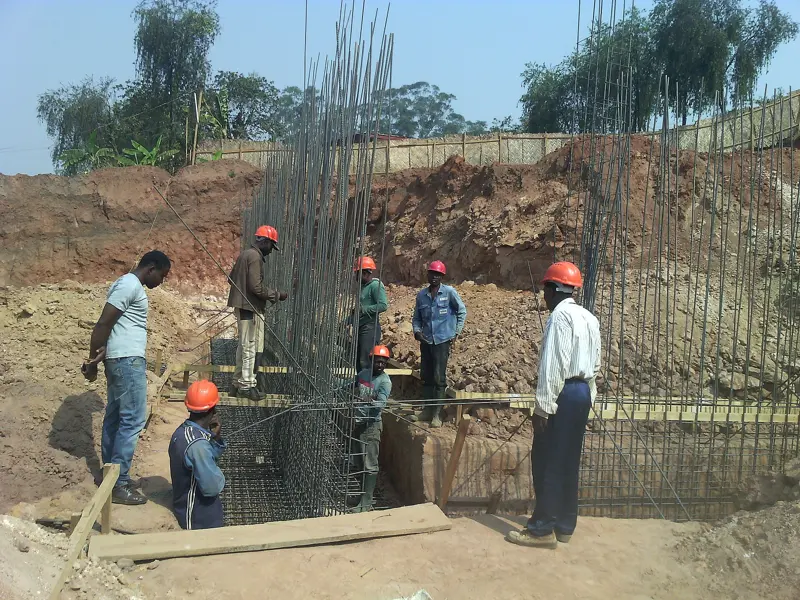
The usual fix is to install steel or concrete piers under the beams of the slab, then raise the low areas back toward level with hydraulic jacks. Pressed concrete piers are common in the San Antonio area; steel piers are driven deeper and are often chosen where clay is thick or loads are heavy.
On rock-heavy lots on the Hill Country side of town, crews may hit refusal at shallow depth, which changes the pier plan.
After lifting, voids under the slab may be filled and plumbing can be pressure tested, since lifting a slab can stress old drain lines.
Diagonal cracks running from door corners, a step crack in exterior brick, gaps between the slab and baseboards and a floor that feels like it slopes when you walk across it are all common. A single hairline crack in the garage slab is usually shrinkage, not failure. If you are not sure, start with a foundation inspection.

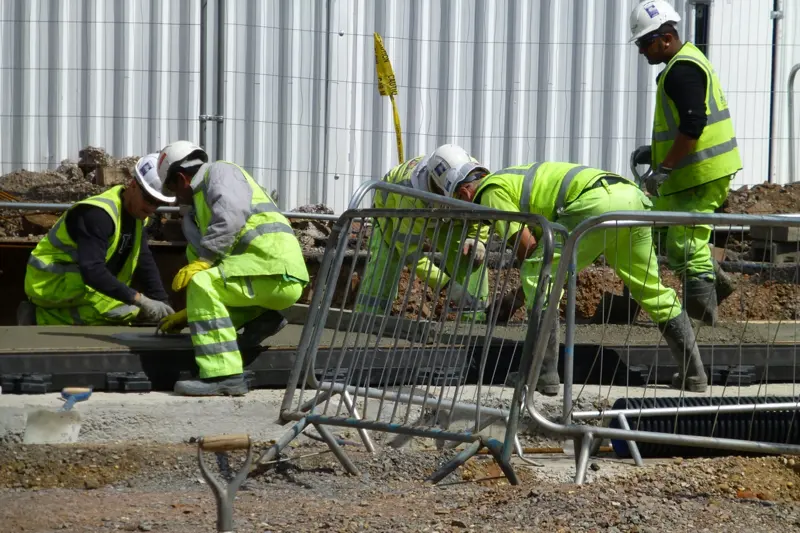
Ask how many piers are planned and why, how deep they are expected to go, and whether the warranty transfers if you sell. Compare the scope with our guide to warning signs in Comal County homes so you know which symptoms the plan is meant to fix.
Pricing
Piers stop at shallow limestone on some west-side lots and run deeper in eastern clay.
Every pier adds materials and labor; ask for a layout drawing.
Two-story and pier and beam homes need different equipment.
Low lots near the rivers may need grading or drains alongside repair.
Often requested for sales or insurance; adds a fee but an independent view.
Ground conditions
How the work usually goes
Elevations, crack patterns, drainage and soil type are checked to find why the house moved.
The contractor writes up pier layout, depth, drainage fixes and warranty terms.
Piers or new supports go in and the home is raised toward level as far as framing allows.
Final readings are recorded so future movement can be compared against them.
Questions
A typical residential pier job takes a few days on site, longer if plumbing repairs or drainage work are added.
Rarely. Crews raise the house as close to level as the framing safely allows, which is usually good enough to close gaps and free doors.
Talk to a foundation crew that works New Braunfels ground.
Takes under a minute
Talk to a foundation crew that works New Braunfels ground.