Rock vs clay
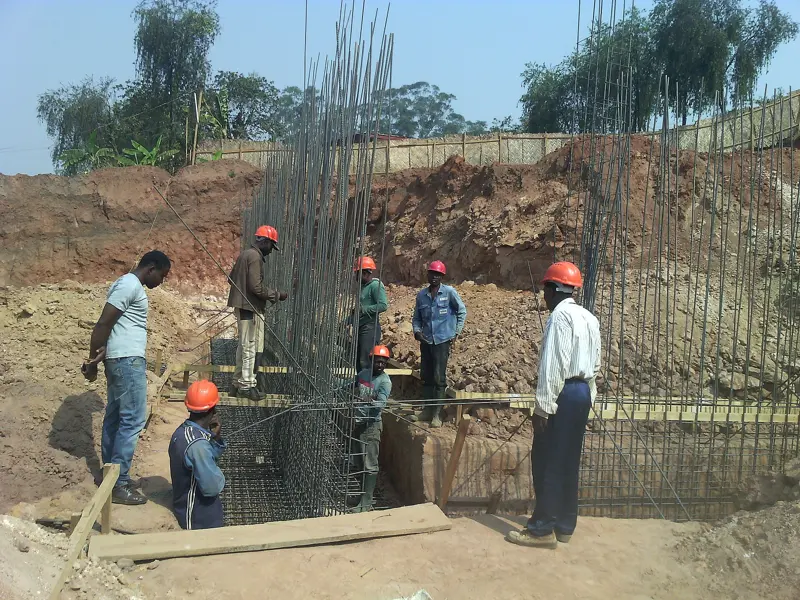
Piers stop at shallow limestone on some west-side lots and run deeper in eastern clay.
Sealing and stabilizing cracks
Cracks are usually the first thing homeowners notice. Some are harmless shrinkage; others show a foundation that is still moving. Crack repair handles the first kind directly and is part of a bigger plan for the second.
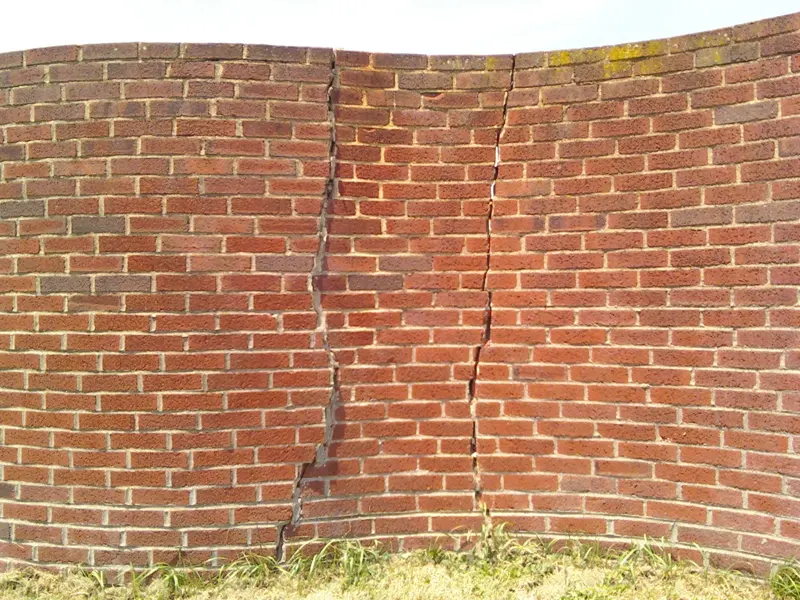
Thin vertical cracks in a slab edge are often shrinkage. Stair-step cracks in brick, cracks wider at one end, or cracks that grow season to season point to movement. Measuring and photographing a crack over a few months tells you a lot.
Small cracks can be sealed with epoxy or polyurethane injection to keep water and insects out. Brick cracks are repointed. If the crack is from active movement, sealing alone will just crack again, so a foundation inspection should come first.
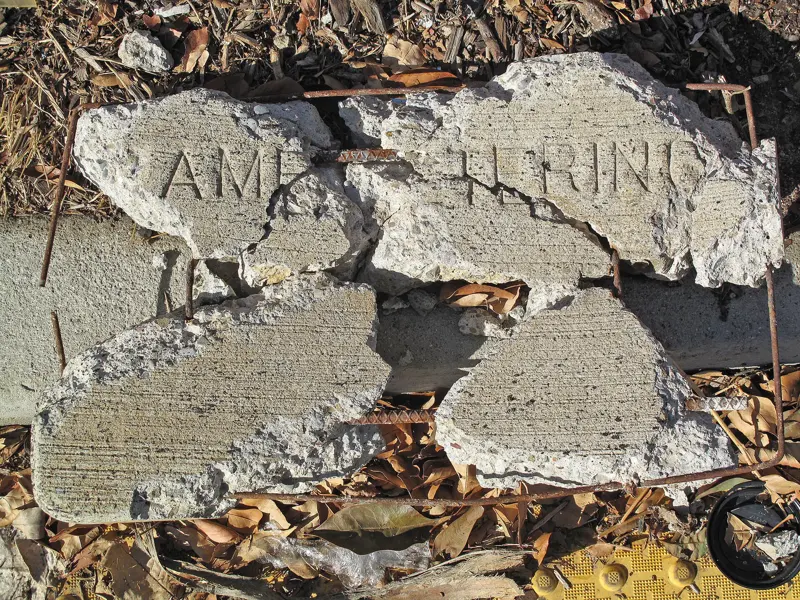
When movement is confirmed, crack repair usually follows slab foundation repair so the patch has a stable base.
Pricing
Piers stop at shallow limestone on some west-side lots and run deeper in eastern clay.
Every pier adds materials and labor; ask for a layout drawing.
Two-story and pier and beam homes need different equipment.
Low lots near the rivers may need grading or drains alongside repair.
Often requested for sales or insurance; adds a fee but an independent view.
Ground conditions
How the work usually goes
Elevations, crack patterns, drainage and soil type are checked to find why the house moved.
The contractor writes up pier layout, depth, drainage fixes and warranty terms.
Piers or new supports go in and the home is raised toward level as far as framing allows.
Final readings are recorded so future movement can be compared against them.
Questions
You can seal small cosmetic cracks, but have wide or growing cracks looked at first.
Unaddressed movement can. Documented repairs with a transferable warranty help at sale time.
Talk to a foundation crew that works New Braunfels ground.
Takes under a minute
Talk to a foundation crew that works New Braunfels ground.